

The prototype allows us to test ideas quickly and cost-effectively with real users. This way, any potential flaws are identified early on, and the final product precisely meets market and business expectations.
Prototypes enable the rapid visualization and testing of ideas. Low-fidelity prototypes present user flows using simple sketches or clickable wireframes, while high-fidelity prototypes offer realistic visuals and interactions. Both types help validate concepts early on, identify bugs early, and refine development directions.
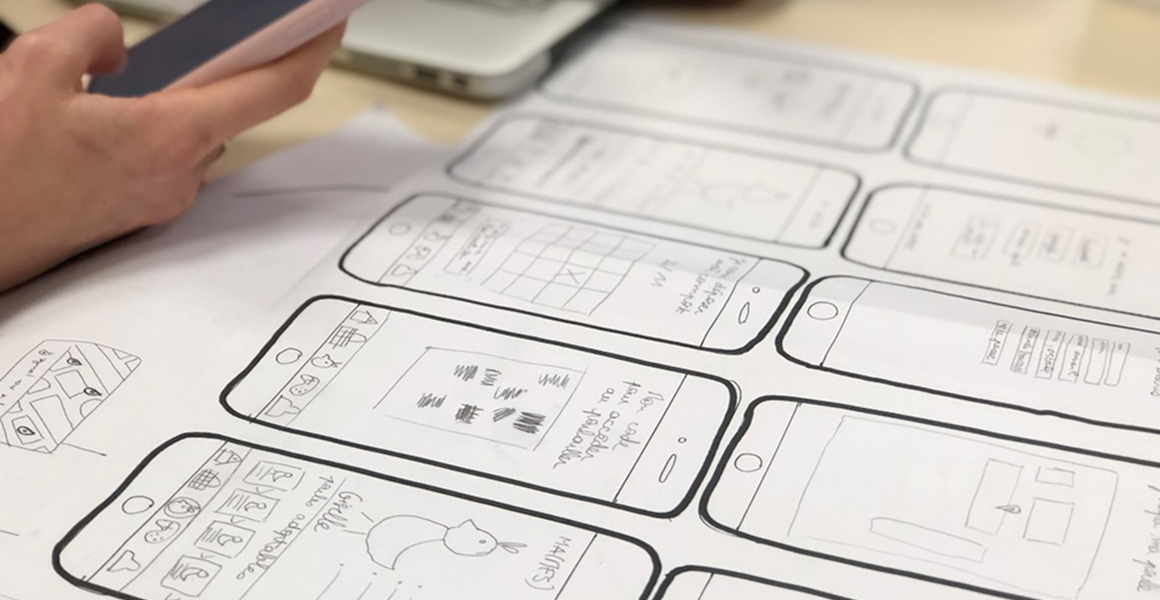
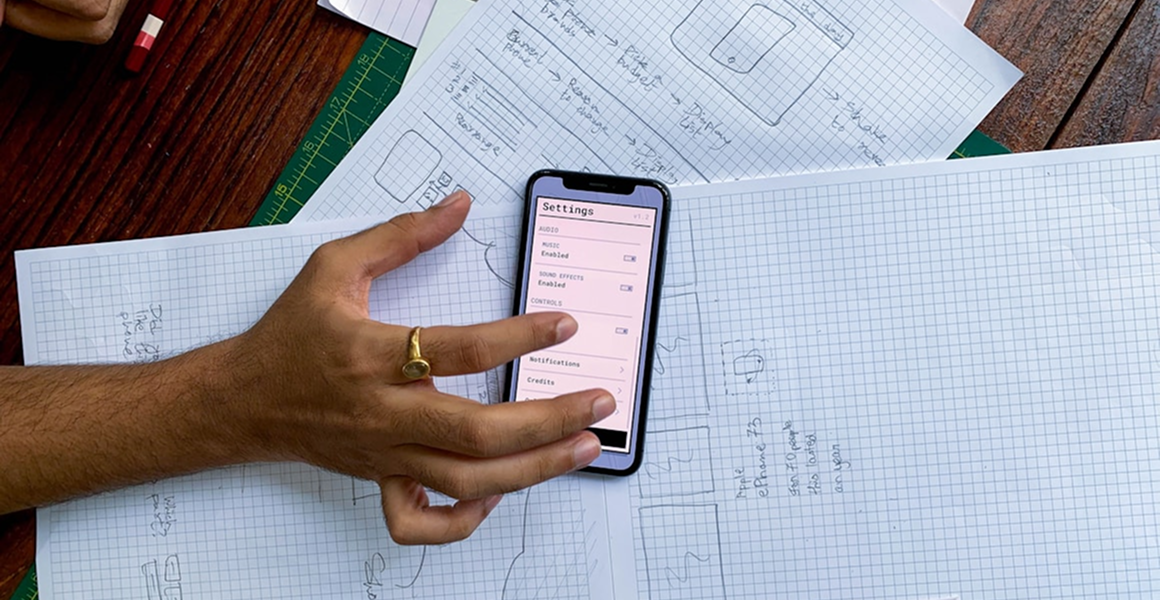
During interactive prototype testing, users perform real-world tasks within the model while we observe their interactions and feedback. This allows us to identify usability issues, obstacles, and misunderstandings before final development begins. This method enables rapid iteration and continuous refinement, reducing risk and ensuring the quality of the user experience.
A minimum viable product (MVP) is a prototype that offers functional features to early users but does not include all final elements. An MVP allows for testing of core features in a real-world environment and enables the rapid collection of user feedback. This approach reduces development costs, accelerates time to market, and ensures that further development is based on actual user needs.
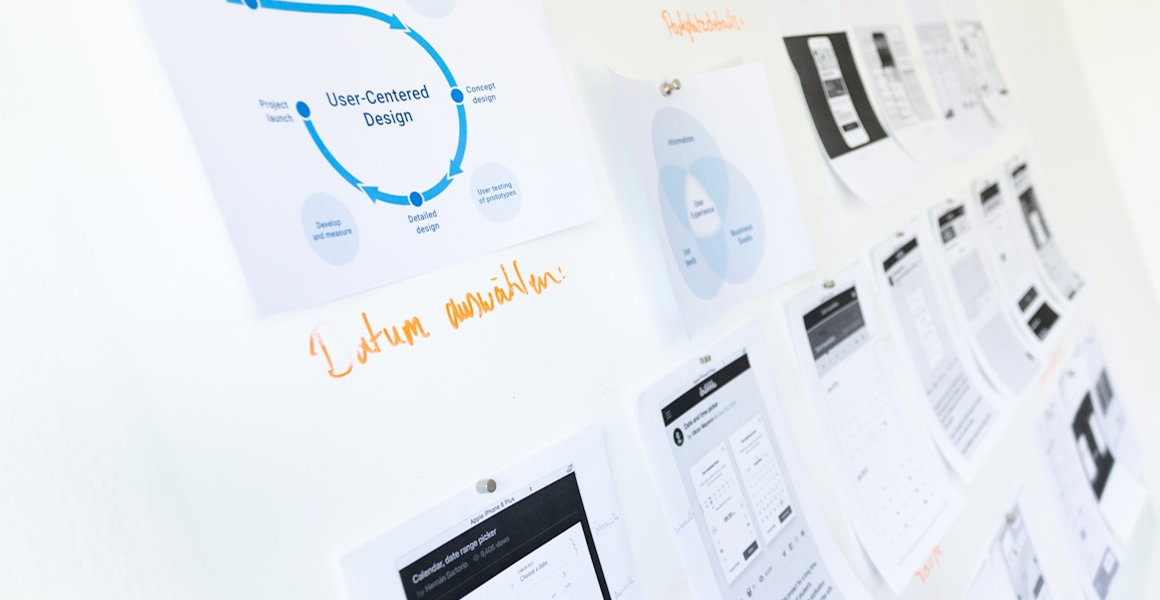

During user validation, we test prototypes or MVPs with real users to verify the suitability of concepts, features, and interactions. Based on the feedback, we identify problem areas and refine the product before final development is completed. This ensures that the implemented solution actually creates value, reducing risk and increasing the chances of success in the market.