Development doesn’t end with the product launch. Through our operations and support services, we ensure the stable operation and continuous updating of your systems, and we help you quickly implement new requirements.
Regular software monitoring and maintenance are essential for the long-term, secure operation of completed systems and web solutions. In the case of a complex system, system continuity can only be ensured if the components (frameworks, plugins, integrations) remain continuously up-to-date and compatible. As part of our service, we perform regular updates, install security patches, track versions, and conduct compatibility checks. In addition, we monitor system performance, manage any errors, and proactively identify risks. We handle backup processes and provide recovery support when necessary. Our goal is to ensure that our clients’ systems support business operations in a stable, secure, and uninterrupted manner.
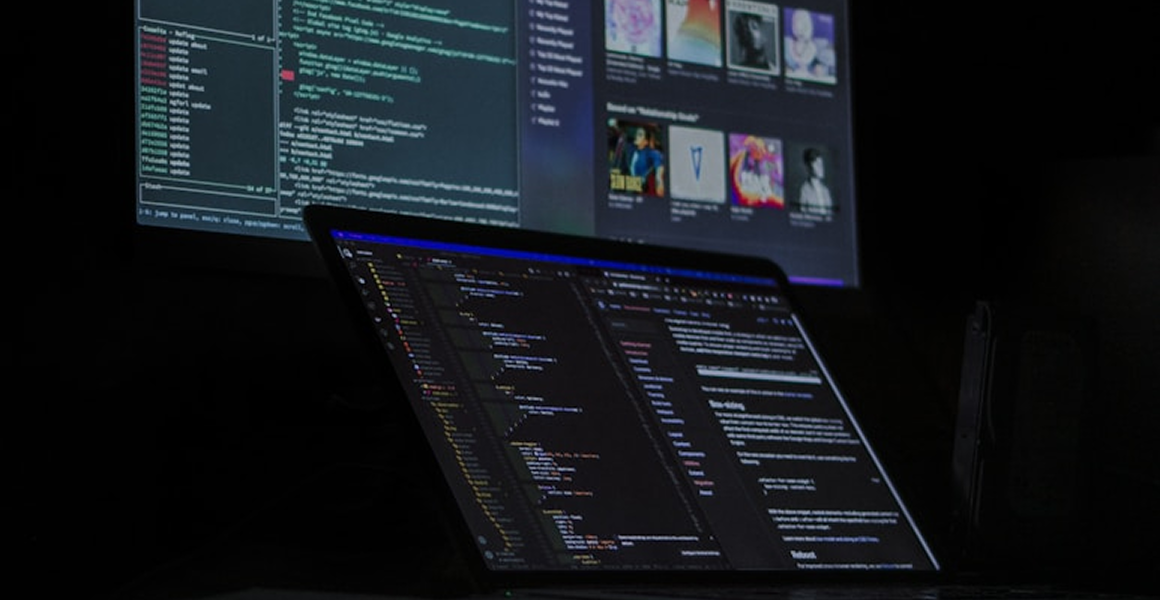

For complex business management systems, a dedicated customer support infrastructure is essential, as system outages or errors have a direct impact on business operations. Our customer support operates under a structured support model, offering different levels of availability (e.g., Emergency, High, and Standard). The Emergency level ensures immediate intervention in the event of critical outages, minimizing business downtime. For lower-priority issues, we operate with planned, SLA-based response times. Continuous availability and fast response times ensure stable system operation and maintain the user experience. In addition, we support the rapid diagnosis, escalation, and resolution of issues. This operational model is key to ensuring system continuity and reducing business risks.
Incidents are inevitable in the operation of complex management systems, which is why a structured incident management process is essential. The goal of incident management is to quickly identify, prioritize, and resolve service outages while minimizing the business impact. As part of our service, we categorize incidents based on severity and impact and manage them accordingly. We ensure fast response times, transparent communication, and clear escalation paths. In addition to troubleshooting, we place a strong emphasis on root cause analysis to prevent recurring issues. We document incidents and feed the lessons learned back into system development and operations processes. This approach ensures system stability and maintains a consistent level of service.
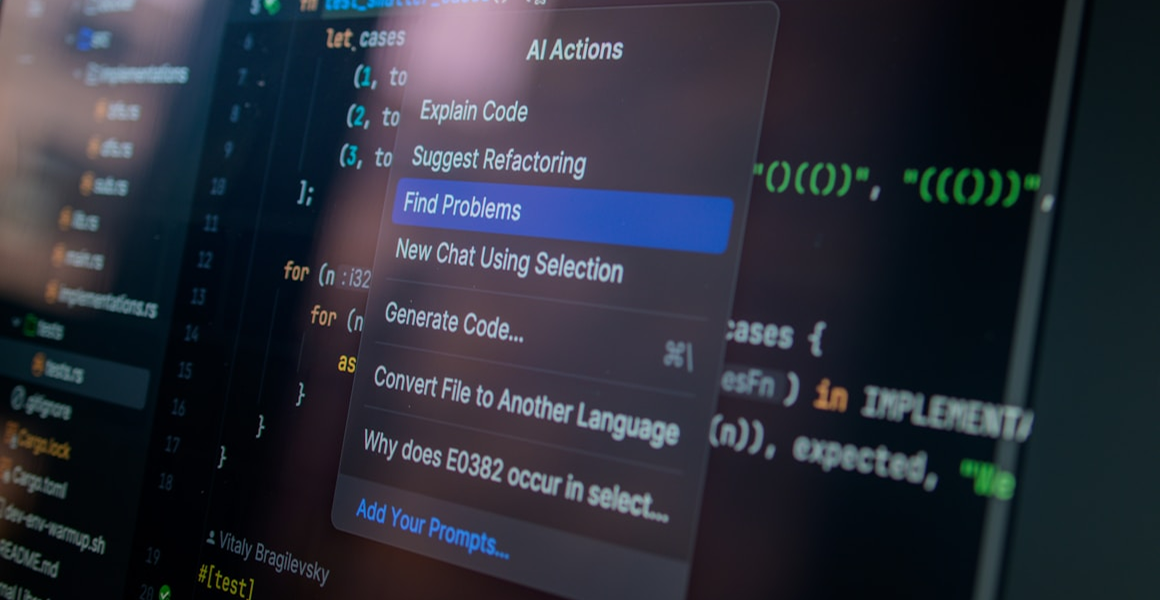
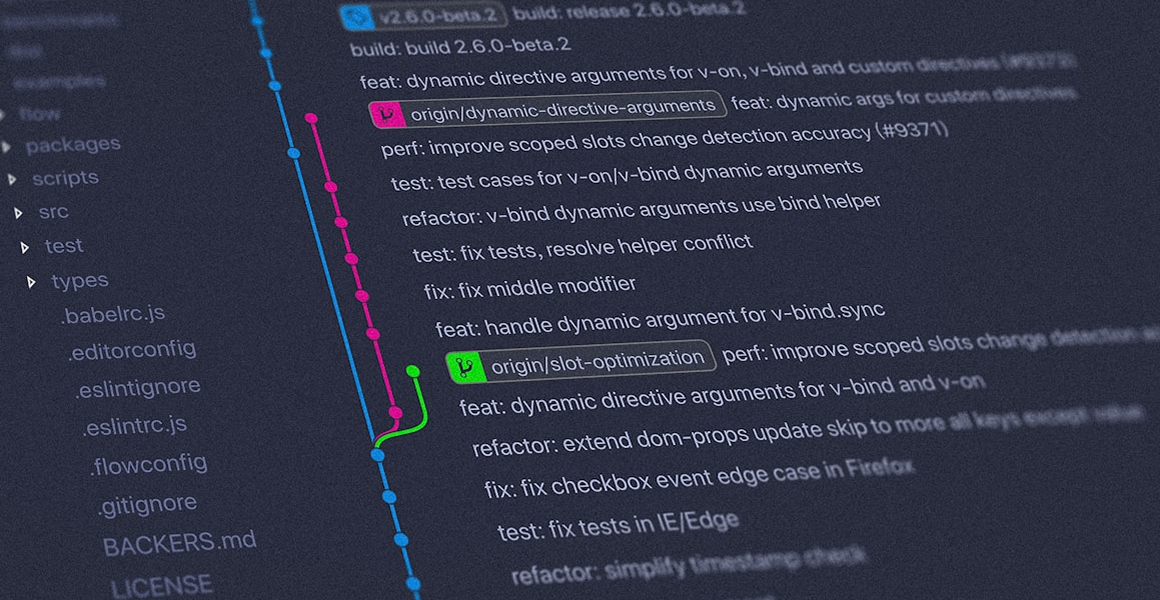
The foundation for the sustainable operation of complex management systems lies in structured version control and a well-defined release protocol. Version control ensures that every development, modification, and fix is tracked, traceable, and integrated into the system in a controlled manner. As part of our service, we use a unified version control system that supports parallel development and the separation of stable releases. During the release process, we follow testing, approval, and deployment steps, minimizing risks in the production environment. We ensure version documentation, maintain change logs, and provide rollback capabilities. The protocol also includes the use of staging environments and the performance of compatibility checks. This approach guarantees the stable development of the system and operational continuity.
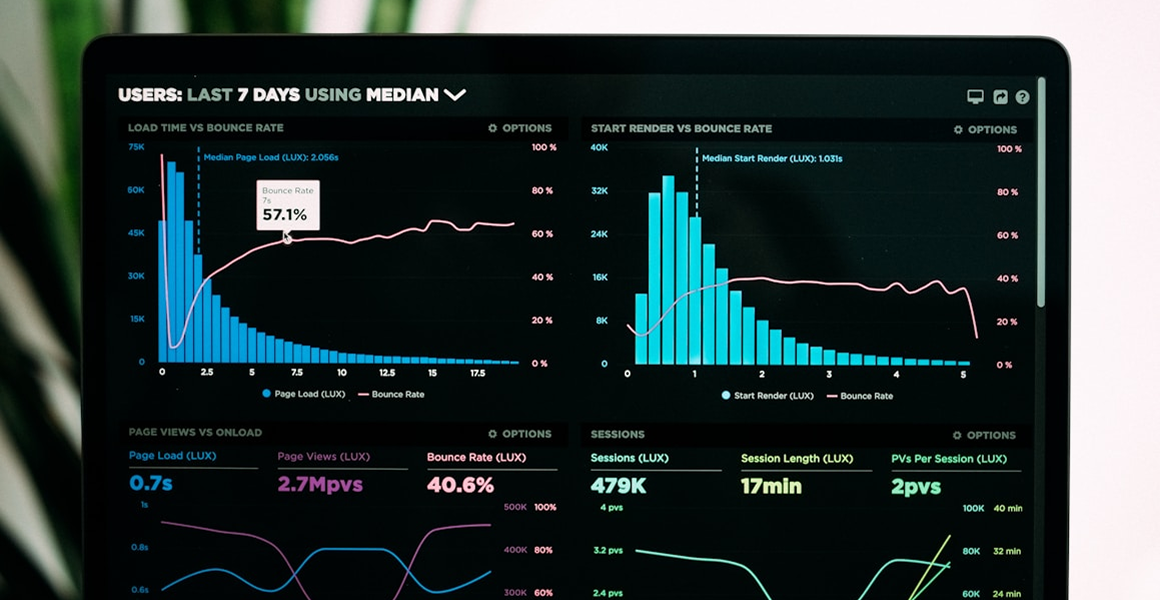
Continuous performance monitoring is crucial for ensuring the transparency and scalability of system operations. It provides a real-time view of the status of the application and infrastructure, and allows us to identify potential issues in a timely manner. We monitor system resource usage (CPU, memory, storage), application response times, transaction processing, and the status of integrations and external connections. We track load patterns and potential bottlenecks so we can intervene in a timely manner. Proactive monitoring enables early detection of performance degradation and the prevention of outages. We support operations with alerting and reporting mechanisms, making anomalies immediately visible. Based on the data, we formulate optimization recommendations, ensuring the system’s scalability and business continuity. This approach contributes to high availability and the maintenance of a positive user experience.
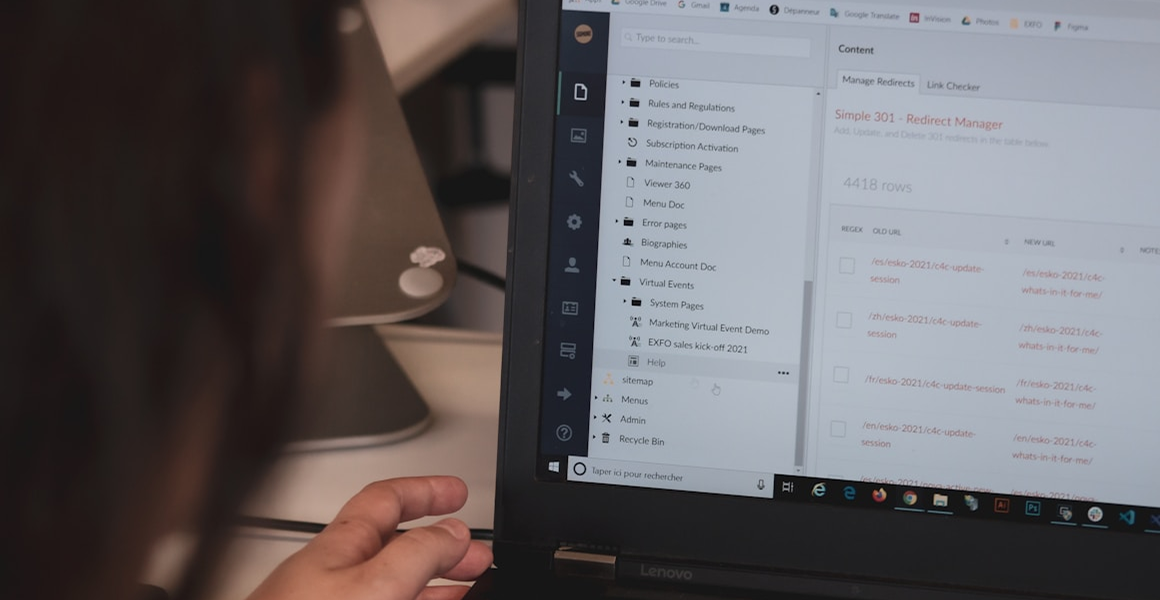
For continuously evolving systems, up-to-date documentation is crucial for operational transparency and sustainability. Updating documentation during developments, modifications, and integrations ensures that everyone involved has an accurate picture of the system’s current state. As part of our service, we ensure the continuous maintenance of technical and functional specifications, architecture documents, and operational guides. This supports rapid issue resolution, the onboarding of new developers or operators, and knowledge sharing. Up-to-date documentation reduces operational risks and reliance on individual expertise. It also provides a foundation for future developments and audits. This practice is essential for maintaining stable and scalable system operations.
When developing systems and web interfaces, we place a strong emphasis on a proactive approach and continuous optimization. We do not merely focus on maintaining current operations; rather, we analyze system usage and performance in a data-driven manner. Based on the experience gained during operation and measurable data, we develop improvement recommendations and concepts. The goal of these is to maintain and further improve efficiency, as well as to fine-tune operations. We support decision-making that is well-founded from both a business and technical perspective. Continuous measurement allows us to track the impact of changes. This approach ensures the long-term competitiveness and future-readiness of the systems.