Our experts will help your company select the enterprise management system that best suits your current operations and future goals.
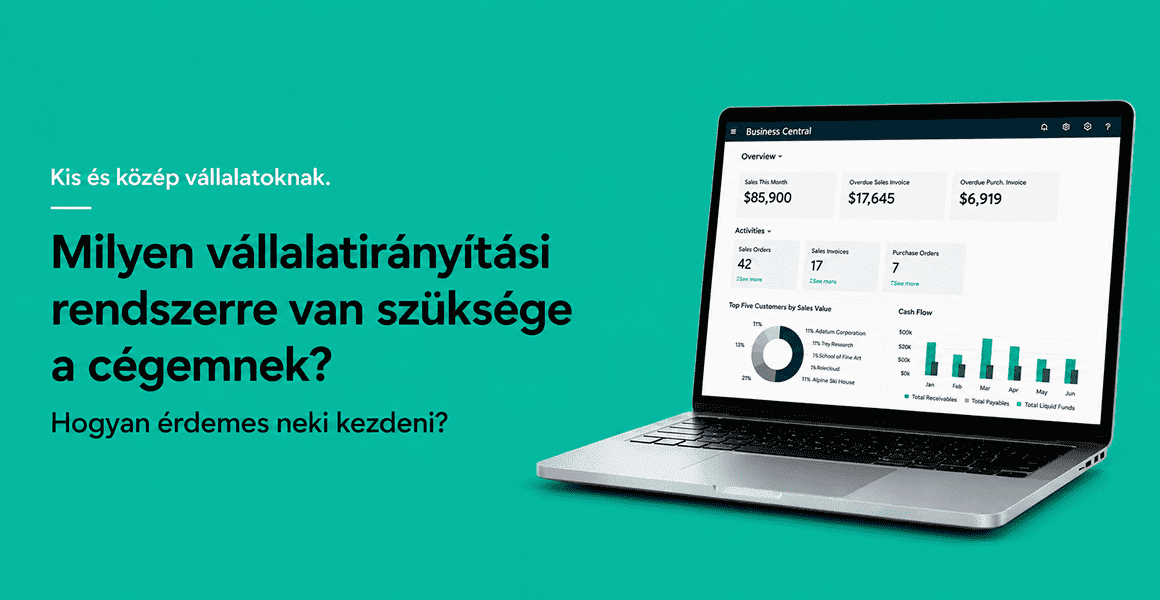
Selecting an enterprise resource planning (ERP) system is no longer just a technological issue, but a long-term business strategy decision. In order for a company to choose the right system, it must first clearly define where it currently stands and where it wants to be in the medium and long term. A well-designed enterprise management system can save the company significant time, energy, and costs.
Involving all relevant departments is of paramount importance during the selection process. The more thoroughly we examine the company’s operations, the more precise the strategy, automation, and toolset we can develop. In our experience, many companies—especially smaller ones—focus primarily on their current operations and fail to plan adequately for the future. As a result, it is often their own internal processes that hinder development and growth.
Today, modern ERP systems must go beyond basic enterprise management functions. It is advisable to choose a comprehensive ecosystem where all systems and tools are interconnected, information flows in real time, and users receive personalized support. Integrated operations ensure faster decision-making, more efficient workflows, and greater transparency. In addition, exploring AI-based capabilities has become essential: automation, intelligent reports, and forecasts can now provide a significant competitive advantage for a company.

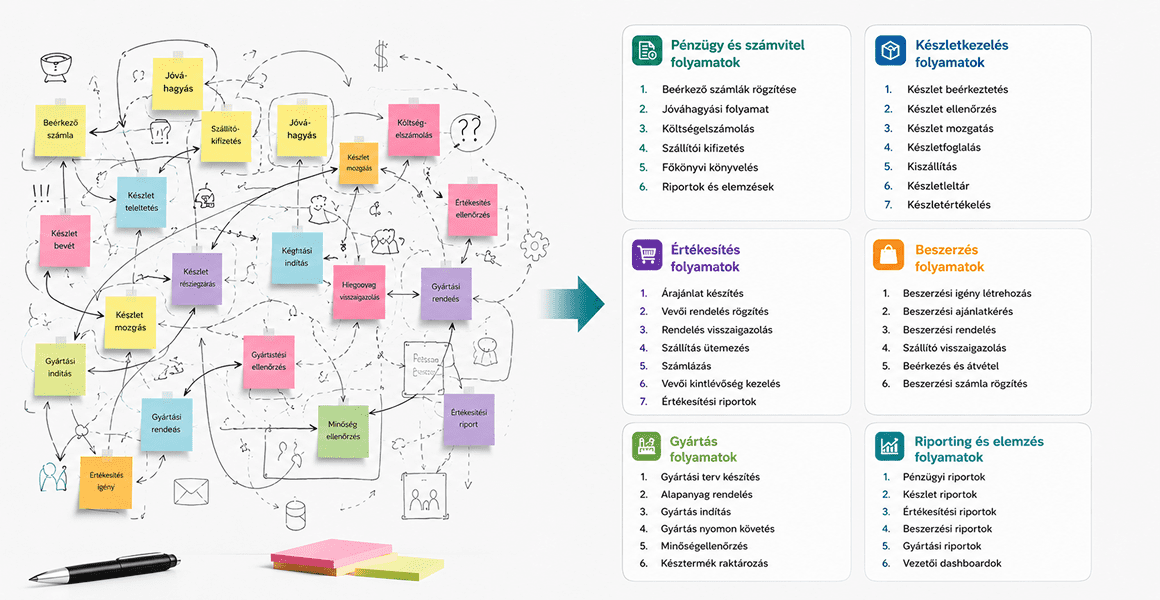
Before a company selects an ERP system, it is important to thoroughly assess its current operations. It is worth examining which processes have already been digitized and where paper-based or manual solutions are still in use. Many companies still rely on separate systems, Excel spreadsheets, or so-called siloed solutions to manage data, which slow down operations and increase the risk of errors. It is important to review what could be automated: for example, reporting, approvals, invoicing, or document management. It’s also worth noting which applications and platforms the company uses, where documents are archived and edited, how online meetings are conducted, and how colleagues retrieve information. The more relevant departments involved in the assessment, the more accurately the appropriate digital strategy and system environment can be developed.
Fill out our questionnaire, and our experts will show you, during a free consultation, how to assess your company’s actual needs, opportunities for growth, and the best digital strategies.
When selecting a system, it is not enough to base your decision solely on price. You must also consider integration capabilities, scalability, user experience, and support options. A key consideration is how well the ERP system can be integrated with existing systems, such as an online store, CRM, or manufacturing software. Equally important is how well it can be adapted to the company’s unique operations and processes. With many lower-cost systems, integration and customization options are limited, so often the system does not adapt to the company, but rather the company is forced to develop compromised, suboptimal processes. In the long run, this can lead to slower operations, more manual tasks, and significant additional costs.
It is also crucial to examine localization options, especially when operating in Hungary or internationally. Not all systems or service providers keep up with changes in a given country’s legal, financial, or billing regulations quickly enough. In many cases, localization features are incomplete or updated slowly, which can later cause serious operational and administrative problems. That is why it is important to choose a solution that provides stable and up-to-date localization support for the market in the given country.
In addition, support for AI and automation has become a key priority for modern companies. The right system can help with forecasting, faster reporting, and intelligent data processing. Today, it makes sense to think in terms of a complete ecosystem where the enterprise resource planning (ERP) system integrates with project management, communication, document management, and AI-based software. This integrated approach ensures faster information flow, more efficient collaboration, and more transparent processes across all areas of the company.
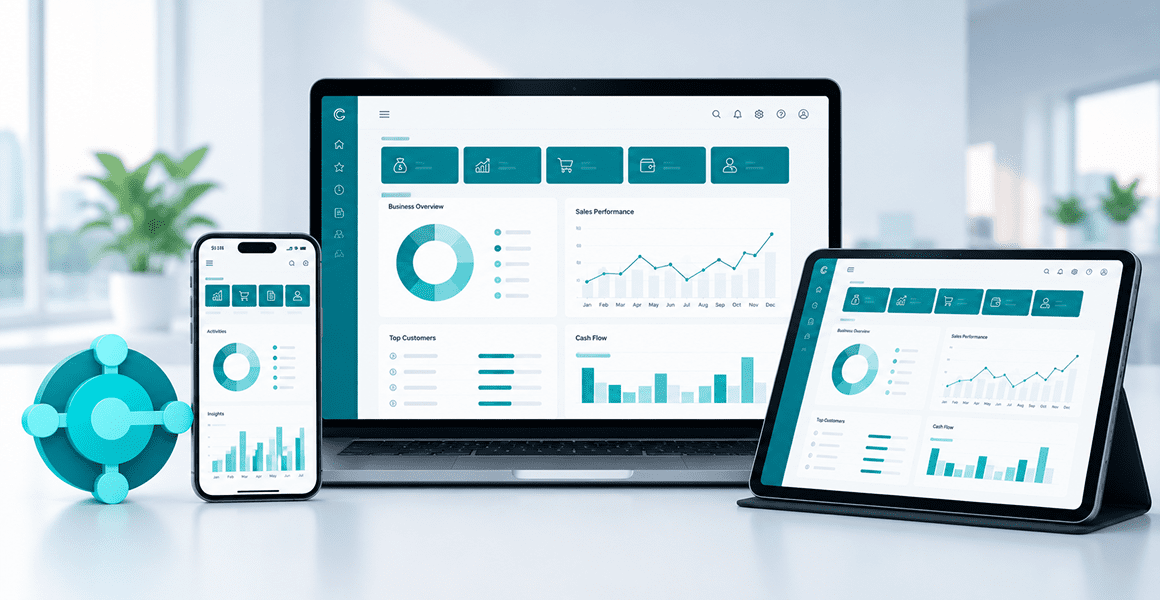
Another important consideration is the range of devices on which the system can be accessed: today, different roles have different needs. While a manager may want to quickly review reports and approve tasks from a smartphone or tablet, office and operational staff typically work on laptops or desktop computers on a daily basis. A modern ERP system must ensure fast, secure, and user-friendly operation on all devices.
Before making a decision, it is worth considering the total cost of ownership: licenses, implementation, training, support, and related systems all contribute to a realistic picture of the long-term investment.
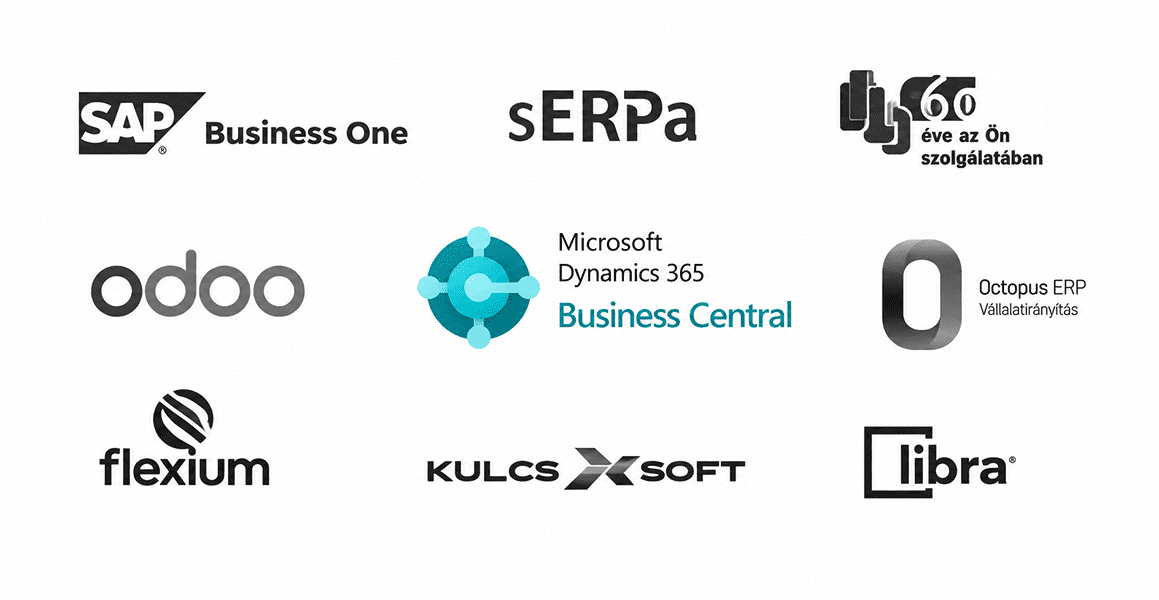
There are countless ERP systems available on the market, making it difficult to make an objective decision. That is why we have created a comparison matrix to help you evaluate each system in a transparent way. The matrix covers the most important business and technological aspects: functionality, integration capabilities, AI capabilities, customizability, and long-term costs. This can help ensure that decisions are not based on marketing materials, but rather on real business needs. The goal is for the company to choose a system that can support its operations not only today, but also 5–10 years from now.
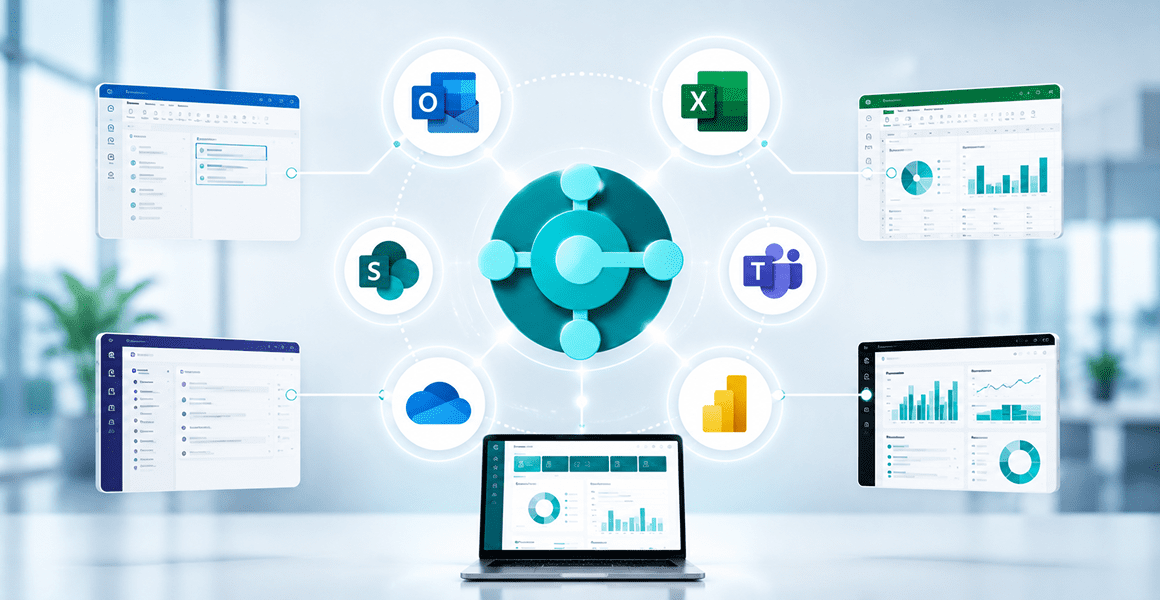
One of the greatest advantages of a modern ERP system is its integrated functionality. Within the Microsoft ecosystem, enterprise management can be connected to the world of Microsoft 365, Teams, Power BI, Power Automate, and other business applications. This significantly speeds up workflows and reduces the risk of data loss or errors. AI innovations, such as Microsoft Copilot solutions, take automation and data management to a new level. Managers can access decision-support information more quickly, while employees can manage their daily tasks more easily. Integration is particularly important for growing small and medium-sized businesses.

Selecting the system is only the first step. A successful ERP project also requires proper planning, training, and support, as well as client involvement. It is important to have a clear timeline, designated personnel, and well-defined goals. In addition, partner support is crucial: an experienced implementation team can significantly reduce risks. If colleagues are involved in the process as early as the selection phase, the transition and acceptance of the new system will be much easier. It is worth organizing workshops, needs assessments, and testing sessions. User feedback often highlights issues that are not visible from a management perspective. The right ERP system should not complicate work, but rather simplify and speed it up.
Our team provides support not only in selecting the right system, but also in assessing your processes, developing an implementation strategy, and providing training. The first step is simply to fill out a short questionnaire, after which we will provide a free one-on-one consultation.
For small and medium-sized businesses today, it is of paramount importance to use an enterprise resource planning (ERP) system that not only supports current operations but also prepares the company for future growth. One of the biggest advantages of Business Central is that it is flexibly scalable, so it can grow alongside the company. Finance, inventory management, sales, procurement, project management, and numerous other business processes can all be managed within a single integrated system.
The system is closely integrated with the Microsoft ecosystem, allowing it to work seamlessly with solutions such as Microsoft 365, Teams, Power BI, and Power Automate. This ensures faster communication, more efficient document management, and greater operational transparency. In addition, Business Central now offers AI-based features and automation capabilities that help speed up decision-making and reduce administrative burdens.
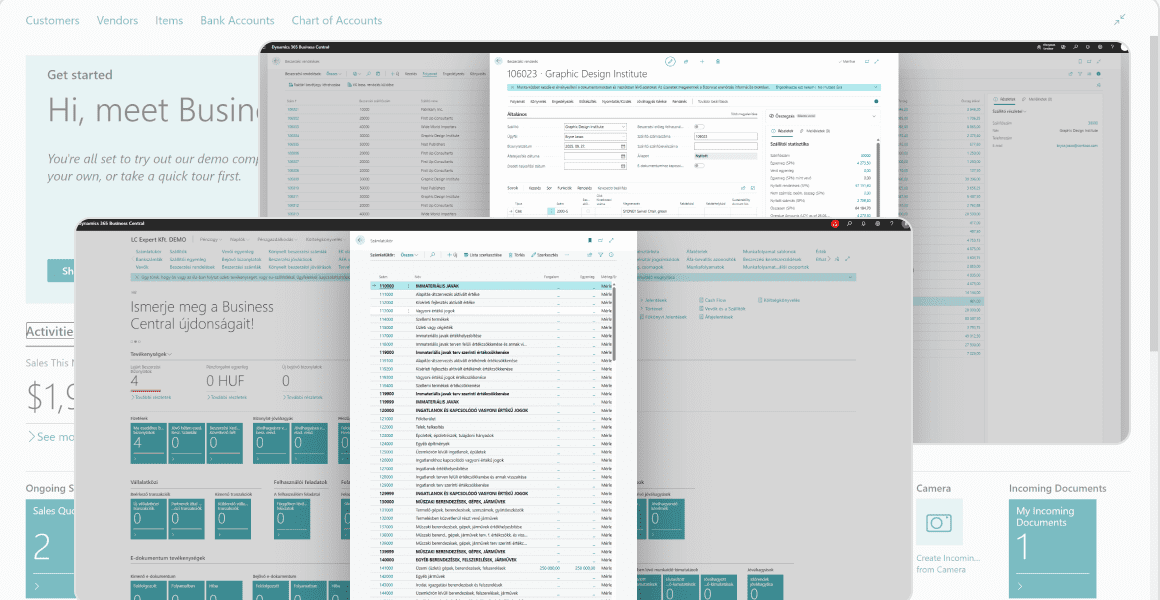
Thanks to its cloud-based architecture, the system is accessible from anywhere and on any device—whether it’s a smartphone, tablet, or laptop. This is particularly important for supporting modern, flexible work arrangements. Business Central is also highly customizable, integrates seamlessly with other systems, and offers robust localization support for operations in Hungary.
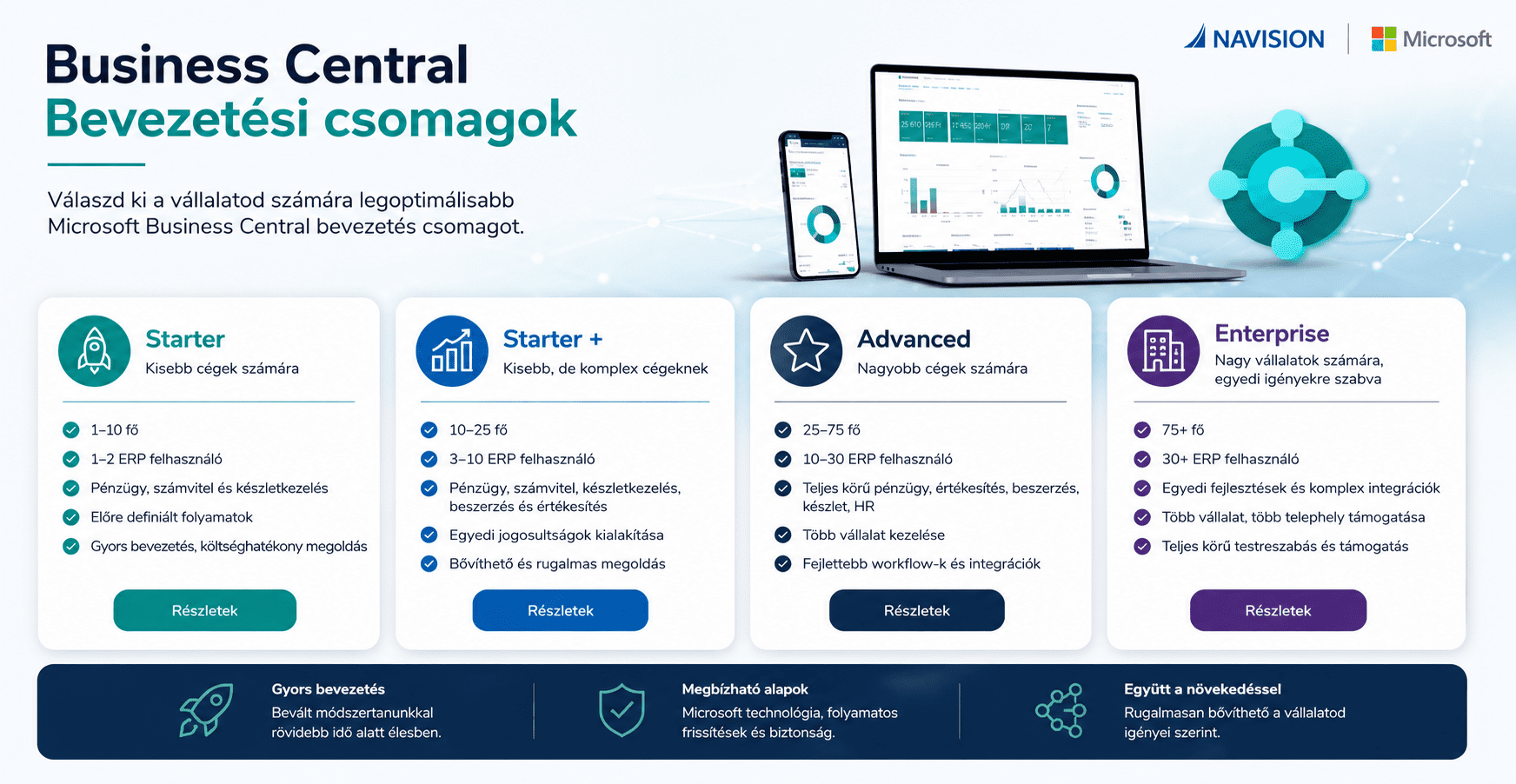
Our goal is to make innovative and future-proof business management solutions accessible to smaller companies as well, which is why we have developed cost-effective packages tailored to the size of the business. This allows SMEs to use a modern, integrated system that can be scaled over the long term, with predictable implementation and operating costs.