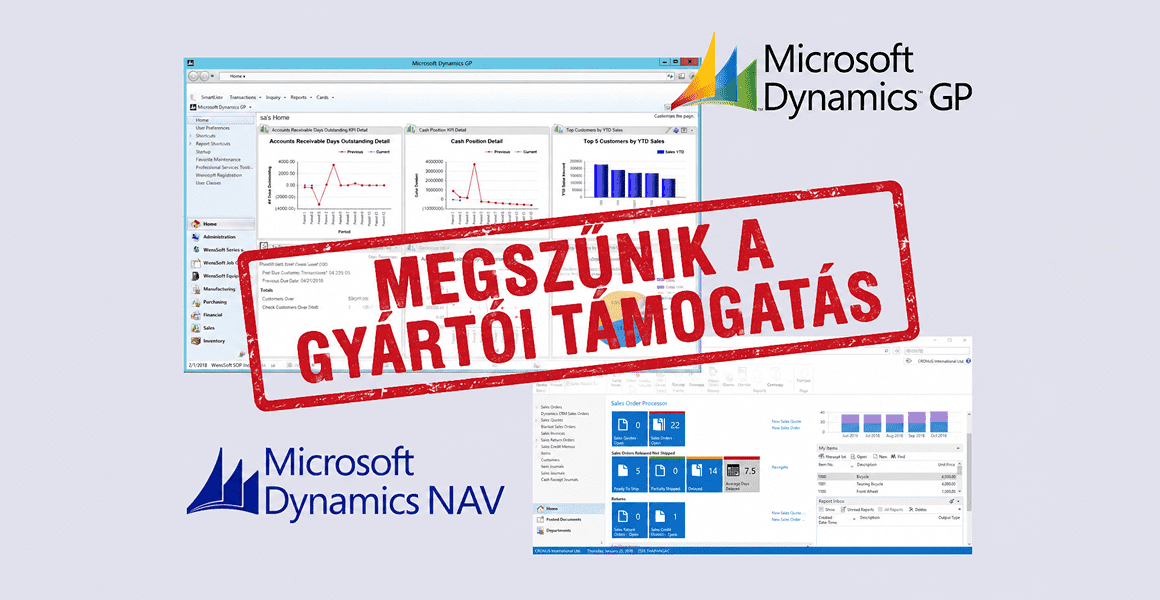

For many years, Microsoft Dynamics NAV provided a stable foundation for business operations, but business and technological expectations have changed significantly since then.
Microsoft Dynamics 365 Business Central is not simply a newer version of Navision, but a more modern, intelligent, and integrated enterprise management platform designed for today’s digital operations and future technological advancements.

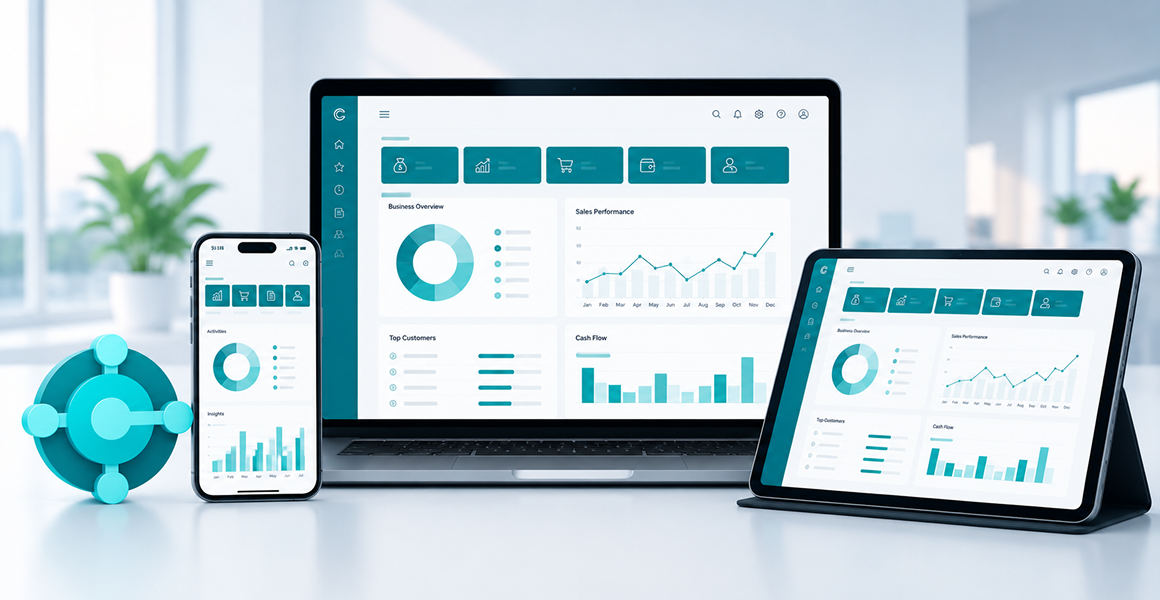
One of the most notable improvements in Microsoft Dynamics 365 Business Central compared to Navision is its modern, user-friendly interface. While the classic Navision environment often required a deeper understanding of the system and a precise grasp of process logic, Business Central offers a more intuitive, web-based user experience. Advanced search functions, role-based home screens, and simpler navigation significantly reduce daily administrative and search time.
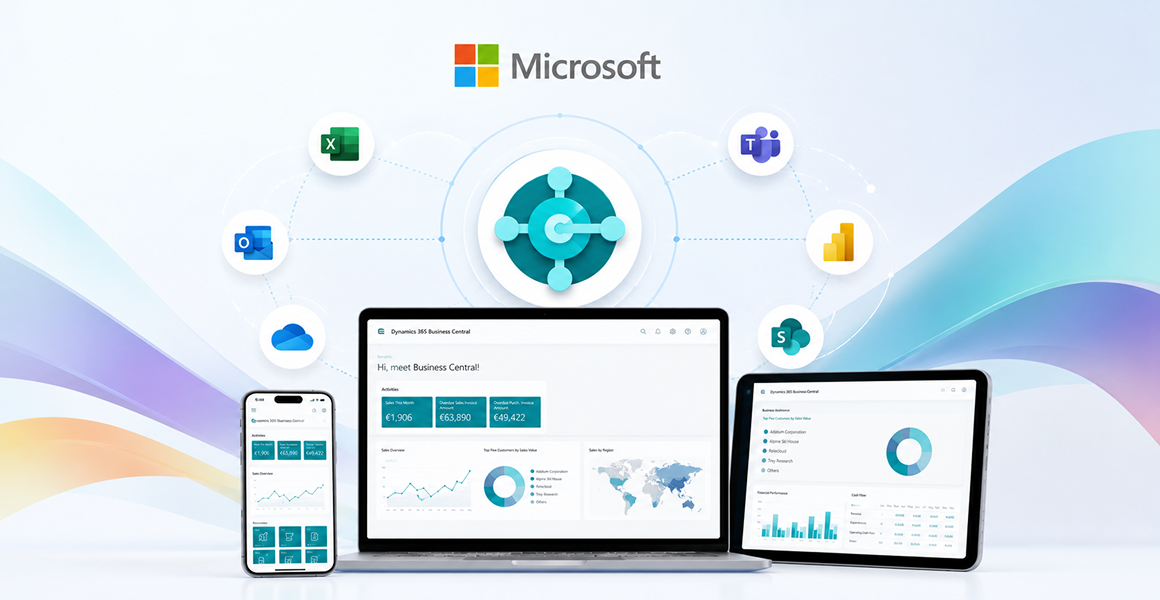
The system is fully responsive, so it can be used equally well on a mobile phone, tablet, laptop, or desktop computer. This is no longer a convenience feature but a business requirement, especially for companies where managers, salespeople, or operational staff work across multiple locations. The goal of Business Central is not merely to track processes but to support users and simplify daily operations.
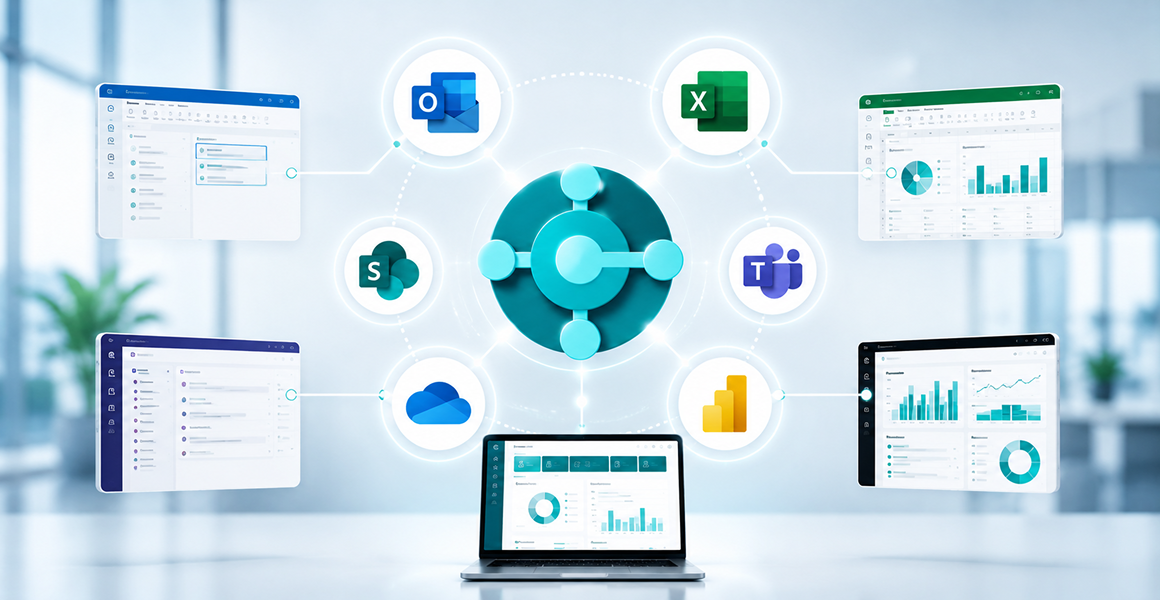
One of Business Central’s greatest strategic advantages is that it integrates natively with Microsoft’s entire business ecosystem. While in a Navision environment, integration with Outlook, Excel, or Teams often required custom development or third-party solutions, in Business Central these connections are available by default.
In practice, this means that the ERP does not operate as a standalone system, but becomes an integral part of daily office and corporate operations. Excel-based analyses, processes initiated from Outlook, Teams collaboration, and Power BI reporting are all connected within a single integrated environment. In the long term, this ensures much more consistent data management, faster information flow, and more transparent operations for the company.
Today, Business Central is not just an ERP system, but also a central component of Microsoft’s AI strategy. With Copilot and other AI features, companies gain access to automation and decision-support capabilities that were previously only available through custom development or separate systems.
AI supports intelligent search, streamlines administrative tasks, and enhances data processing and reporting. One of the greatest advantages of the SaaS environment is that these features are constantly evolving and expanding with new capabilities. This is particularly important for companies that are looking to achieve more automated, data-driven, and efficient operations in the long term.

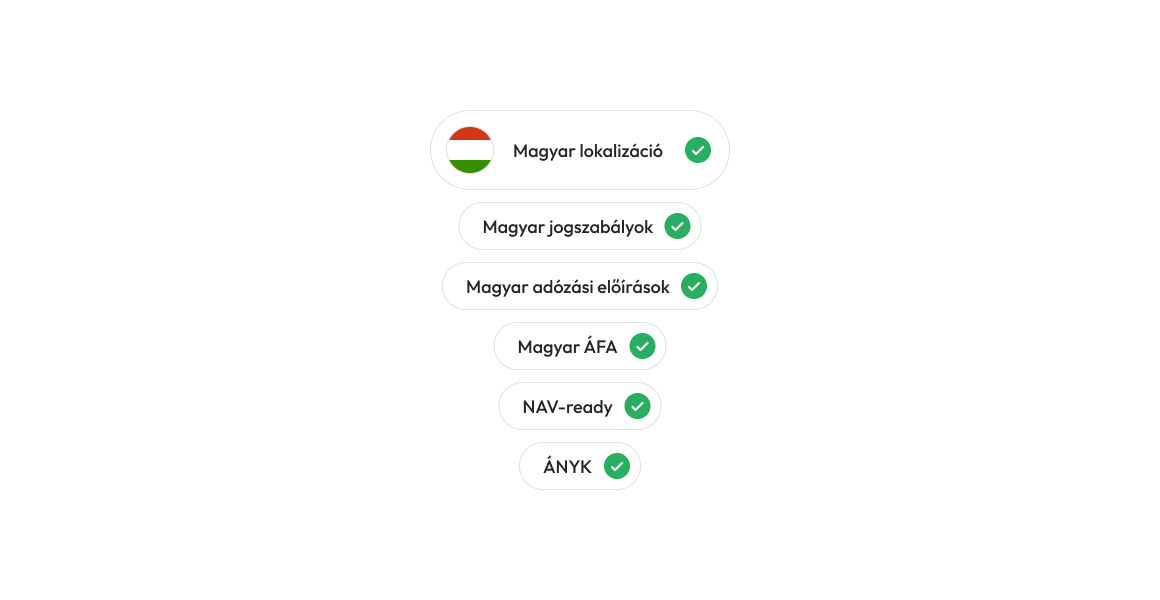
In Hungary, one of the most critical aspects of ERP systems is financial and regulatory compliance. With Business Central, a more modern and stable Hungarian localization is available, which better aligns with today’s NAV and accounting requirements. The system keeps pace with regulatory changes more quickly and ensures more predictable operations in the area of financial processes.
This is particularly important for companies where auditability, NAV compliance, and financial stability are key priorities. The more modern localization can also reduce the number of workarounds, custom developments, and manual solutions in the long term—issues that have gradually accumulated over the years in many older Navision environments.
Business Central is capable of exporting in ÁNYK-compatible XML format (e.g., 65A, 65M). This enables the tax filing process to be automated and initiated directly from the ERP system.
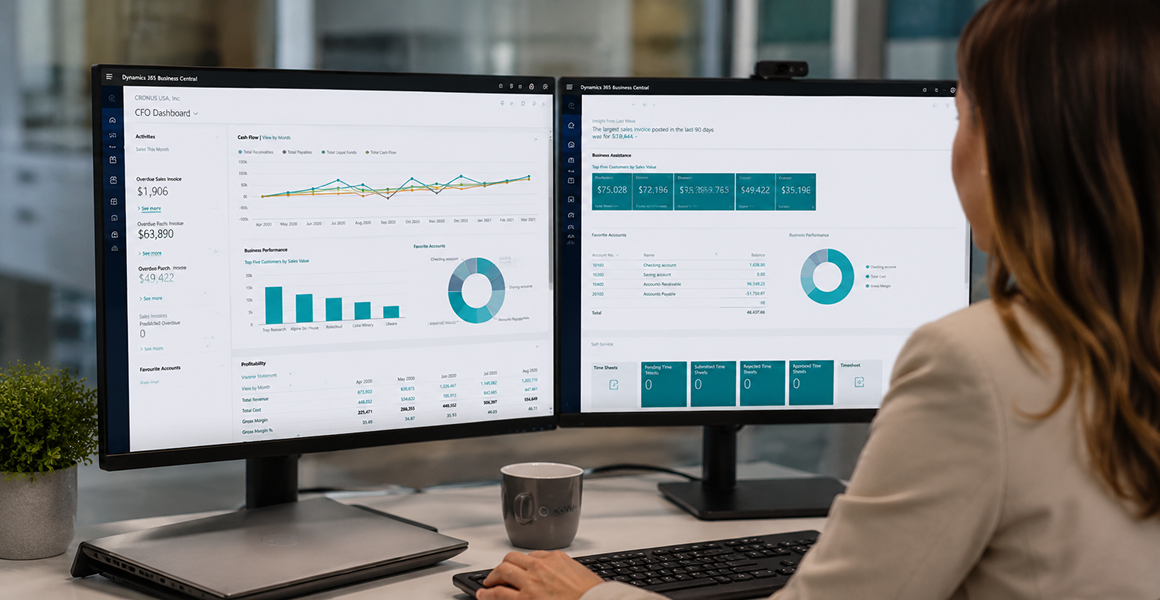
One of the major advantages of Business Central is its support for modern reporting and data-driven operations. While Navision was primarily built around static reports and traditional lists, Business Central offers interactive dashboards, real-time data, and native Power BI integration.
This allows managers to make decisions much faster and based on more accurate data. Visual reports and integrated analytics help the company not only manage data but also use it as real business intelligence in daily operations and strategic decision-making.
One of the key advantages of Business Central is that it operates as an actively developed Microsoft platform. The system receives regular functional and security updates, while continuously expanding with new AI, automation, and integration capabilities.
This not only represents a technological advantage but also provides a more stable operational foundation in the long term. For companies, this can mean a more predictable future outlook, lower technological risk, and better scalability, especially in an environment where digitalization and integrated operations are becoming increasingly important competitive factors.